
Post Production – glossary and terms
Here’s a list of common post-production terminology with explanations:
- Offline Editing
- Explanation: The initial stage of editing where raw footage is assembled into a rough cut. This version is used to determine the structure and flow of the final product, but it is not the final edit.
- Online Editing
- Explanation: The process that follows offline editing, where the final cut is polished, including colour correction, visual effects, and the incorporation of high-resolution footage. It’s the last step before the final version is completed.
- Color Grading
- Explanation: The process of adjusting and enhancing the colour of footage to achieve a desired look or mood. This step ensures visual consistency across all scenes.
- Conform
- Explanation: The process of matching the offline edit with the high-resolution footage in preparation for online editing. This involves replacing the low-resolution proxies with the original high-quality files.
- Rendering
- Explanation: The process of generating the final image or video file from raw data. In post-production, rendering can refer to the final creation of effects, transitions, or the entire edited video.
- Codec
- Explanation: A format for compressing and decompressing video files. Different codecs are used depending on the needs of the project, balancing quality and file size.
- LUT (Look-Up Table)
- Explanation: A file used in colour grading that maps one set of colours to another, often used to achieve a specific look or colour grade across footage.
- VFX (Visual Effects)
- Explanation: Digital effects added to footage during post-production, including CGI, green screen compositing, and other visual enhancements that are not achievable during filming.
- ADR (Automated Dialogue Replacement)
- Explanation: The process of re-recording dialogue in a studio to replace or enhance the original audio recorded on set, often used to improve audio quality or alter lines.
- Sound Design
- Explanation: The creation and integration of sound effects, ambient sounds, and other audio elements to enhance the narrative and atmosphere of the film.
- Mixing
- Explanation: The process of balancing all the audio elements (dialogue, sound effects, music) to create the final soundtrack of a film or video. This includes adjusting levels, EQ, and adding effects like reverb.
- Mastering
- Explanation: The final step in audio post-production, where the mixed audio is prepared for distribution. This involves ensuring consistent levels and quality across all audio tracks.
- Dailies (Rushes)
- Explanation: The raw, unedited footage shot during production, usually reviewed daily by the director and key crew members to ensure everything is being captured as planned.
- Proxy
- Explanation: Lower-resolution copies of high-resolution footage used during offline editing to make the editing process faster and more manageable. These are later replaced with the original high-resolution files during conforming.
- Timeline
- Explanation: The visual representation of a video project in editing software, where clips, audio, effects, and transitions are arranged chronologically to create the final product.
- Deliverables
- Explanation: The final output of a project, including all necessary formats, versions, and documentation required by the client or distributor, such as different file formats, closed captions, or subtitles.
- B-Roll
- Explanation: Supplemental footage that is intercut with the main footage (A-Roll). It’s often used to add context or cover cuts in the main footage.
- Keying
- Explanation: The process of removing a specific color (often green or blue) from footage, allowing another image or video to show through in its place. Commonly used in green screen effects.
- Split Screen
- Explanation: A technique where the screen is divided into two or more sections, each showing different footage or perspectives simultaneously.
- Foley
- Explanation: The art of creating and recording everyday sound effects (like footsteps or doors closing) in sync with the visuals during post-production to enhance the audio realism.
These terms cover a wide range of post-production processes and tools that are essential in creating a polished final product in television and film.
On the job learning – Recent Posts

A journey through the TV industry with Richard Welsh
Innovating throught the TV industry - A journey with Richard Welsh


The Power of Deep Work: A Simple Hack That Transformed My Productivity
In the world of television and film, the role of a Post Supervisor often doesn’t get the spotlight it deserves. I am stepping into the limelight to proclaim my love for this job.

When Overwhelm Turns the Sofa Into a Fortress.
In the fast-paced world of the creative industry, it’s easy to get caught up in the hustle and bustle of personal ambitions and career goals.

My Manefesto
Constructive criticism is a powerful tool for growth, but its crucial to differentiate between helpful insights and unproductive critiques.

Finding Your Tribe: A Beginner’s Guide to Building Your Support Network
Constructive criticism is a powerful tool for growth, but its crucial to differentiate between helpful insights and unproductive critiques.

If Hard Work Alone Could Create Success, the Donkey Would Own the Farm
Constructive criticism is a powerful tool for growth, but its crucial to differentiate between helpful insights and unproductive critiques.

Don’t worry, we’ll fix it in post.
In the fast-paced world of the creative industry, it’s easy to get caught up in the hustle and bustle of personal ambitions and career goals.

Embracing the Edge of Your Abilities: A Guide for Beginners
Constructive criticism is a powerful tool for growth, but its crucial to differentiate between helpful insights and unproductive critiques.

Embracing the Madness: Why I Love Being a Post Supervisor
In the world of television and film, the role of a Post Supervisor often doesn’t get the spotlight it deserves. I am stepping into the limelight to proclaim my love for this job.

Learning from Failure: Embracing Growth
Failure is not just an end; it is also a powerful teacher that imparts valuable lessons contributing to our personal and professional growth.

Surviving the Christmas Rush in the Creative Industry!
In the fast-paced world of the creative industry, it’s easy to get caught up in the hustle and bustle of personal ambitions and career goals.

The Power of Emotional Intelligence at Work
EI is a vital component of success and plays a significant role in fostering a positive workplace culture.

Helping Others:The Best Investment for Your Career and Yourself
In the fast-paced world of the creative industry, it’s easy to get caught up in the hustle and bustle of personal ambitions and career goals.

Embracing Change and Sparking Innovation
While we’ve faced some serious setbacks over the years, there's one thing I’ve learned: these challenging times can be a springboard for innovation and renewal

Empty Vessels Make the Most Sound: Navigating Jargon as a Post Production Supervisor
As a Post Production Supervisor, you often find yourself in the midst of technical jargon and excessive industry speak that can be overwhelming.

It’s Not What’s Happened to You, It’s What You Do Next:
As a Post Production Supervisor working in the hectic world of television, it’s easy to find yourself knee-deep in challenges and deadlines.

Put On Your Own Oxygen Mask First: A Post Production Supervisor’s Guide to Surviving the Chaos
I often find myself juggling more tasks than a circus performer some days it feels like I’m spinning plates while riding a unicycle,

The Importance of Individuality in Post Production Supervision
Every single Post Supervisor is unique ... no two have the same approach, skills, or even mindset when it comes to the job. And that’s not just okay—it’s a huge advantage.

Embracing the Art of Procrastination in Post Production Supervising
Procrastination isn’t always the villain of the story? In fact, it might just be the unsung hero we never knew we needed in the fast-paced world of post production!

The Fine Art of Keeping It Professional
Before you know it, harmless chit-chat can spiral into something far more damaging. ... keeping things professional and steering clear of gossip is ... essential for your career and sanity.

The Fascinating History of Television: From Experimental Tech to Everyday Essential
A journey through the captivating history of television, exploring its evolution from a fledgling concept to the staple of modern life.

Navigating the Feast and Famine of Freelance Life
One month, your inbox might be flooded with job offers, while the next, you’re staring at an empty calendar wondering where all the clients went.

How to Write an Effective Cover Letter as a Post Production Supervisor in TV
In the fast-paced world of television production, Post Production Supervisors ensure that projects are delivered on time, within budget, and to the highest quality standards.

Every Day is a School Day: Embracing Learning in Post Production
Each new project brings its own set of challenges and opportunities to grow. The learning never stops.

Embracing the Chaos: How to Handle Tech Challenges in Post Production
Let’s face it—technology can be as temperamental as the people using it. When things go wrong, how you react can make all the difference.

The power of humour
Here’s why maintaining a sense of humour is not just a perk but a vital component of effective supervision in post production.

The Art of Kindness and Patience
In the high-pressure world of post production, where tight deadlines and complex workflows are the norm, it's easy to lose sight of the softer skills that make a significant difference in how a team functions.

Surviving Sick Days and Holidays as a Freelancer in TV
The glamorous life of a freelancer in the TV industry—freedom, creativity, and the never-ending anxiety about where your next paycheck is coming from.

Navigating Conflict
In the bustling world of post production, conflict can arise as easily as a misplaced frame or a miscalculated render time.

Losing Your Mojo
Staying motivated on a project that doesn’t exactly set your soul on fire can be a challenge. But before you throw in the towel and start daydreaming about your next holiday, here are some tricks to help you get your groove back.

How to deal with work anxiety
Work anxiety is an all-too-common challenge in any industry, but especially in one as dynamic and unpredictable as ours. Here are some practical tips that have helped me over the years and that I frequently return to when I need a boost.

Supporting Financial Well-Being in the TV Industry
Working in the television industry can be a dream come true, but it also comes with its unique set of challenges. In such times, it's reassuring to know that there are charitable organizations in the UK dedicated to supporting the financial well-being of those working in TV.

The Balancing Act: Returning to TV After Maternity Leave (And Crushing It)
Whether it’s been a few months or a year, returning to work after maternity leave is no small feat, especially in an industry as demanding as television.

Navigating Constructive Criticism: When Is It Actually Helpful?
Constructive criticism is a powerful tool for growth, but its crucial to differentiate between helpful insights and unproductive critiques.

Understanding editorial vs. production: Who does what?
In the world of film and television, the roles within Editorial and Production departments are distinct but equally vital. Here’s a simple breakdown to help you understand who’s who.

Tips and tricks: Mastering efficiency in post production
Tips and Tricks .. if you’re looking to streamline your workflow and save both time and cash, you've come to the right place.

The Art of Keeping Your Production Team in Sync
Clear communication is the backbone of any successful production, especially when juggling multiple projects and tight deadlines.

Post Producers vs. Post Production Supervisors
Post Producers vs. Post Production Supervisors - A tale of two roles.

Navigating the world of post production
Navigating the world of post production. A Post Production Supervisor is the linchpin between the production company and the post house
How to get started in Television
Everyone entering the television industry typically begins as a runner, but what does a runner do?

Lights, Camera, Confidence! How to Shine When Starting Your Career in Television
Every TV legend started somewhere, and with a little bit of confidence (and a lot of caffeine), you’ll be well on your way to making your mark.
Basic Post Production Workflow: A Step-by-Step Guide
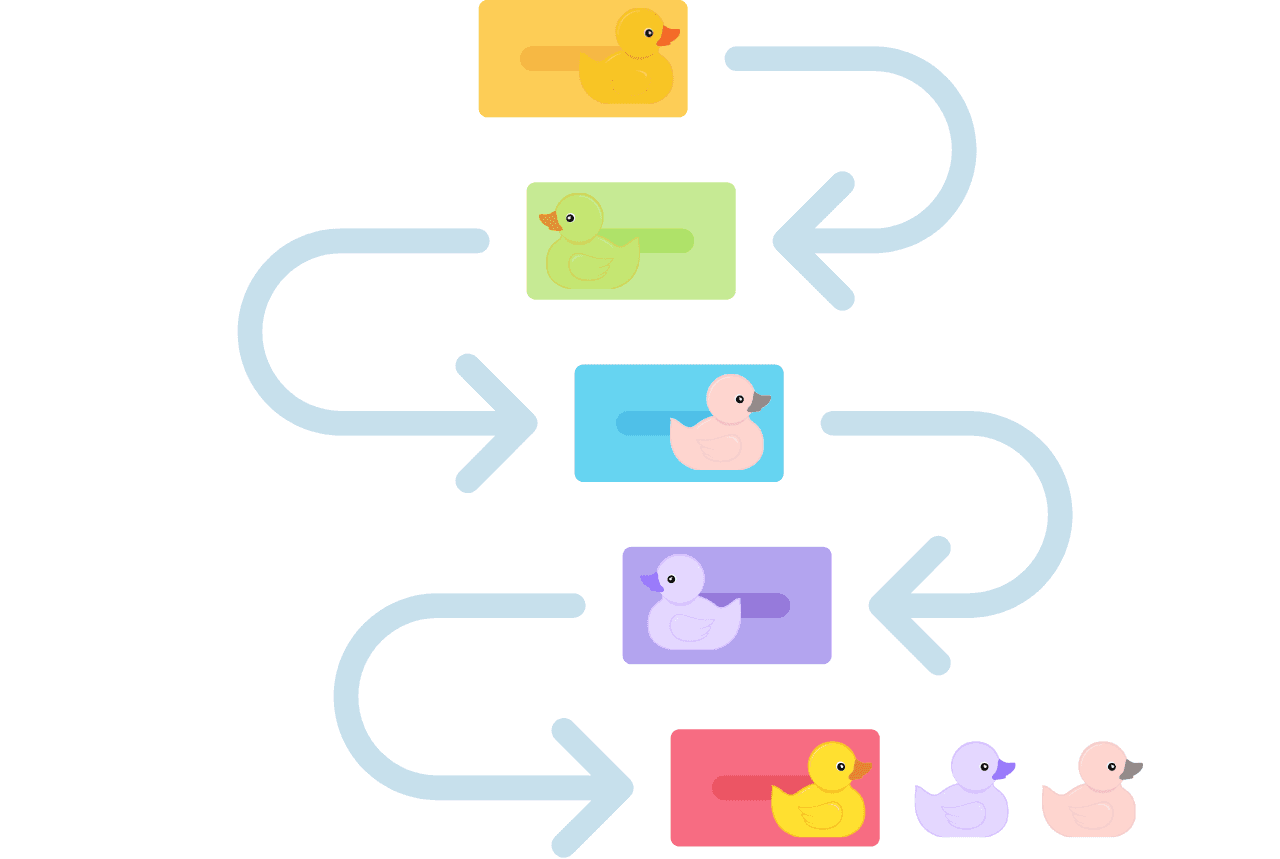
Here’s a streamlined look at the essential stages of the post-production workflow, designed to guide you from the initial rushes to the final quality check.